

Renewable energy
Guatemala’s Sugar Cane Agroindustry is distinguished worldwide by its capacity to generate renewable energy from sugar cane bagasse, a valuable by-product of sugar production. This process not only contributes to the reduction of CO₂ emissions, but also plays a critical role in the stability of energy prices in the country.
Production process
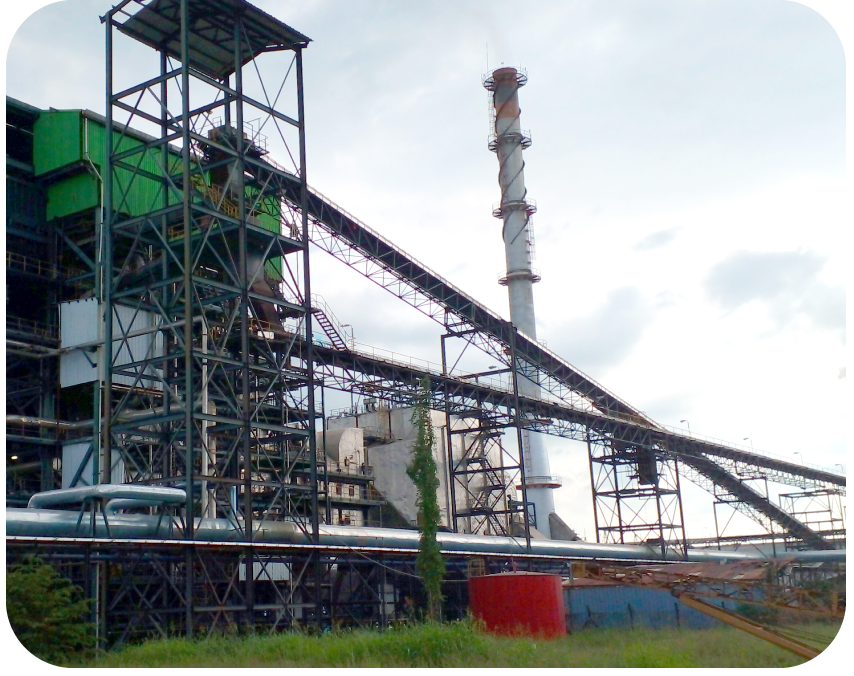
Renewable energy generation in Guatemala’s mills begins once the sugar cane has been processed to extract its juice, which turns into sugar. The residue remaining after this process is bagasse or biomass, a vegetable fiber rich in useful energy. This bagasse or biomass is transported to high efficiency boilers, where it is burned to generate steam at high temperatures. Steam moves turbines connected to electric generators, thus producing renewable energy.
Contribution to the Sistema Nacional Interconectado
During the harvest season, Guatemala’s Sugarcane Agroindustry turns sugarcane bagasse into renewable energy, achieving self-sufficiency and supplying more than 25% of the country’s electricity. Including self-consumption, its total generation represents nearly 40% of Guatemala’s electricity matrix.
Capacity and sustainability
Mills have an installed capacity of 992.4 MW of renewable energy. During the harvest season, Guatemala’s Sugarcane Agroindustry turns sugarcane bagasse into renewable energy, achieving self-sufficiency and supplying more than 25% of the country’s electricity. Including self-consumption, its total generation represents nearly 40% of Guatemala’s electricity matrix.
Although bagasse or biomass is burned in the energy generation process, it remains a renewable resource as it comes from sugar cane, a crop that is renewed every year. Replanting and continuous harvesting of sugar cane ensures a sustainable supply of raw materials, reducing dependence on fossil fuels and minimizing carbon emissions, supporting the fight against climate change.
Environmental Impact
The use of sugar cane bagasse to generate energy prevents the release of more than 3.7 million tons of CO₂ into the environment each year. This significant reduction in emissions is due to the replacement of highly polluting fossil fuels with a renewable and sustainable energy source.


